
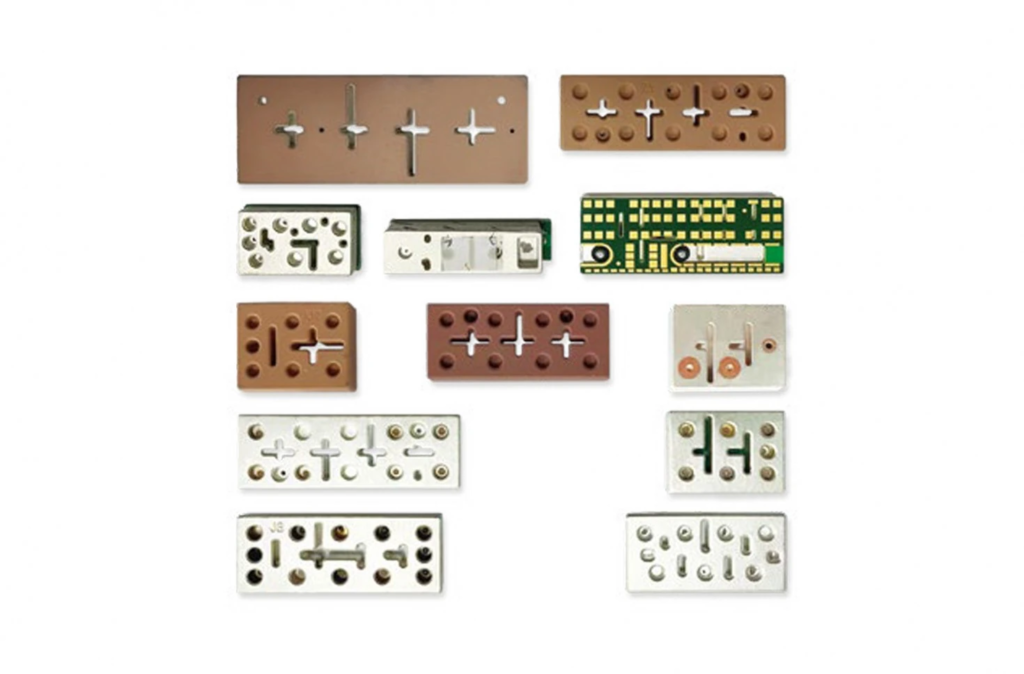
Defense Communication Filter Design Considerations
Plan defense communication filter design around wanted signals, blockers, harmonics, power, isolation, thermal limits, packaging, and verification.
Plan defense communication filter design around wanted signals, blockers, harmonics, power, isolation, thermal limits, packaging, and verification.
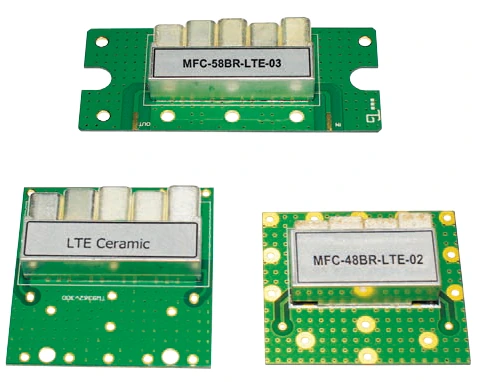
Plan custom RF filter frequency matching through passband, stopband, tolerances, materials, tuning, S-parameters, and production-intent verification.
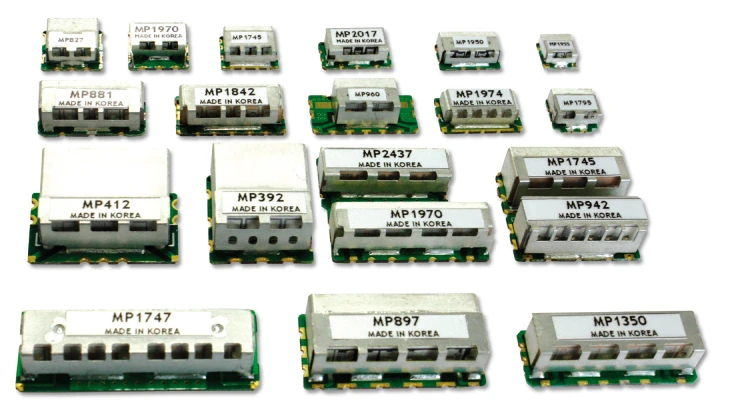
Interpret RF filter characteristics including insertion loss, return loss, ripple, and attenuation using S-parameters, reference planes, and acceptance limits.
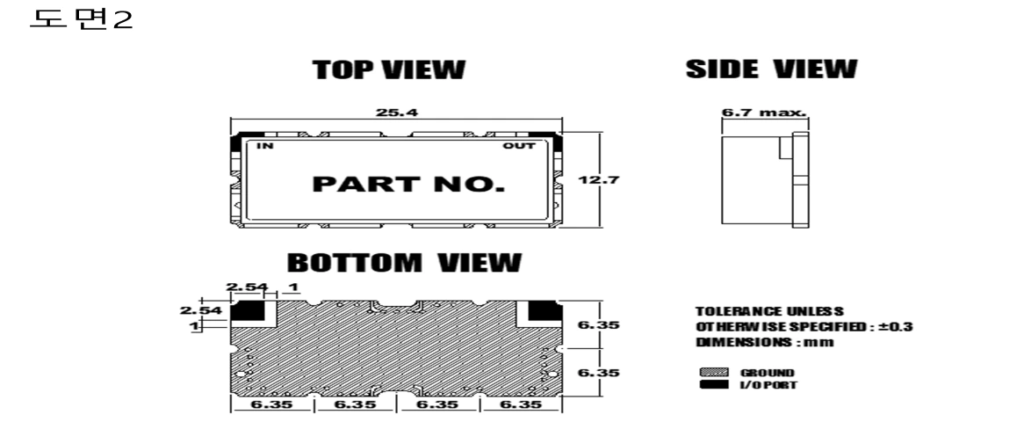
Compare RF filter vs diplexer decisions through ports, common-port topology, passbands, isolation, terminations, and measurement expectations.
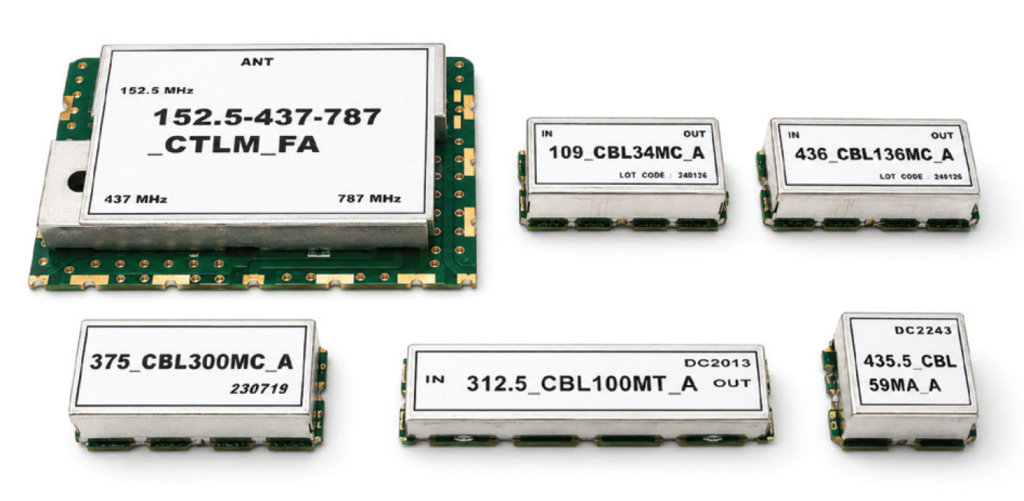
Choose RF filter types by connecting wanted spectrum, unwanted signals, transition region, insertion loss, rejection, impedance, and topology.
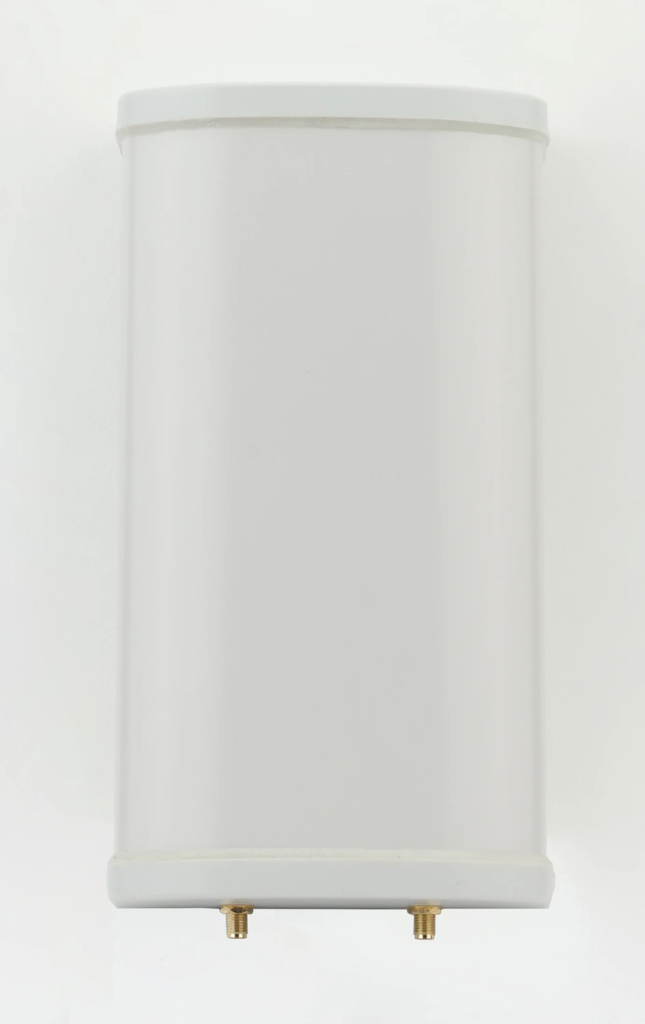
Use military antenna manufacturer selection criteria covering requirements, RF evidence, integration, drawings, validation, and change control.
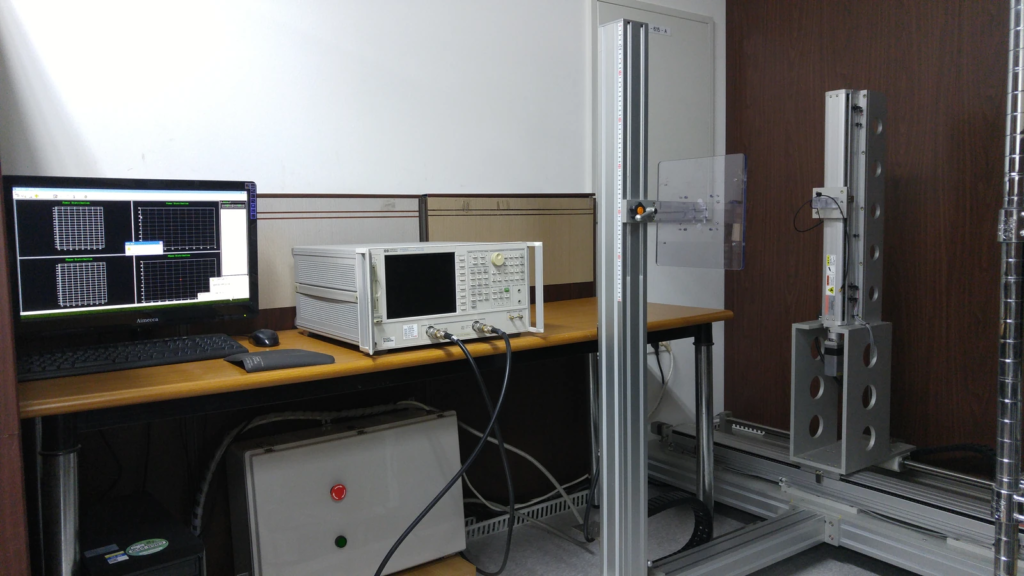
Plan military antenna environmental validation with controlled fixtures, RF baselines, exposure, post-test comparison, and acceptance criteria.
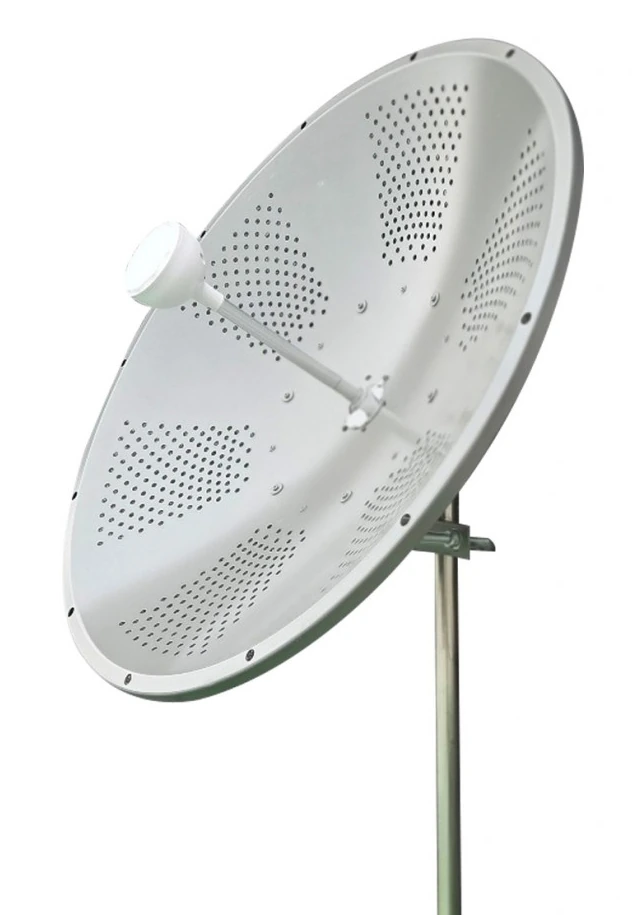
Compare dish antenna selection inputs including frequency, aperture, gain, beamwidth, polarization, pointing, feed, loading, and link-budget conditions.
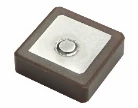
Compare low-profile lightweight antennas through profile, mass, bandwidth, efficiency, loading, SWaP, and platform constraints.
A practical framework for custom military antenna development, from requirements and prototypes through verification and controlled production handoff.