
A custom RFID antenna design request should describe the application clearly enough for a supplier to identify design options and unresolved risks. Start with the band, reader or chip interface, available space, mounting, and required behavior. An outline drawing and a realistic test scenario are usually more useful than a request to maximize range.
Identify the antenna’s role
State whether the request concerns a reader antenna or a passive tag antenna. For a reader, include the RF port, cable, connector, reader settings, and the zone to be covered. For a tag, provide the chip, attachment method, host material, and the states in which the item will be read.
List the countries of use and required frequency range. Separate the proposed component requirements from finished-equipment compliance responsibilities so the quotation does not rely on an unstated regional configuration.
Build the request around decisions
| Request section | Buyer input | Response to request |
|---|---|---|
| RF objective | Band, interface, polarization, desired and unwanted reads | Proposed approach, assumptions, and verification method |
| Mechanical boundary | Drawings, volume, ground, enclosure, mounting, nearby materials | Integration risks and required clearances or changes |
| Environment | Temperature, moisture, handling, cleaning, or other justified exposures | Materials and test approach to examine |
| Prototype | Available reader, tags, host assembly, and current samples | Build stages, sample requirements, and dependencies |
| Deliverables | Drawing formats, data files, reports, ownership | Files supplied and approval points |
| Acceptance | Configuration, method, limits, and decision owner | Evidence needed to close the design |
Mark each item as a requirement, preference, or open question. This lets a supplier propose an alternative without silently changing a mandatory limit.
Describe a repeatable application test
For a controlled desktop station, identify the tray, tag positions, item materials, presentation time, and surrounding stock that must remain unread. For a moving application, add the travel path, speed, tag orientation, and time available to read each item.
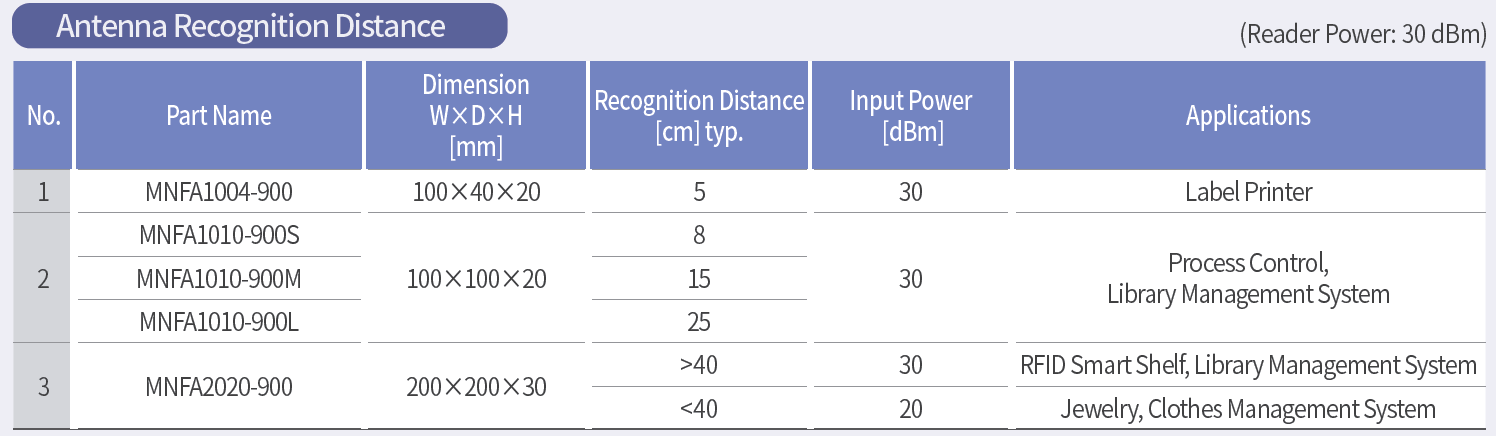
Define who provides the reader, cable, tags, fixture, and production-intent enclosure. Record the baseline settings so a later improvement can be attributed to the design change rather than a different reader power or tag.
Ask for the assumptions behind the quotation
Request a proposed tuning approach, input files needed, prototype stages, test method, and open risks. Distinguish simulated predictions, prototype measurements, and installed-system results. A response should state which evidence will be available at each stage and which buyer decisions are needed first.
Include commercial assumptions such as sample quantity, forecast volume, target review dates, tooling ownership, and non-recurring engineering scope. A buyer’s requested date is an input for planning, not a confirmed supplier lead time.
Agree acceptance and change ownership
Define who approves drawings, materials, tuning changes, and deviations. Specify which modifications reopen validation and which records accompany the final release. If an input is not yet available, assign an owner and a date for resolving it.
Send MAC technologies Inc. the completed request matrix, available CAD, reader or chip details, representative tags, installation conditions, and expected design evidence. This gives the engineering review a common starting point and makes alternative proposals easier to compare.
References
GS1 EPC UHF Gen2 Air Interface Protocol
GS1 TIPP
https://www.gs1.org/standards/rfid/uhf-air-interface-protocol
https://www.gs1.org/standards/epc-rfid/tipp